Pages

Showing posts with label chemistry. Show all posts

Thursday, June 11, 2020

Dilution Experiment

Dilution Experiment
On Monday for chemistry we did an experiment learning how to use serial dilution (Repetitive Dilution) to learn about how concentration gets weaker.

Aim: To make a dilution series to investigate concentration
Equipment: A Potassium Permanganate crystal, six large test tubes. tweezers, a plastic transfer pipette, a test tube rack, 10 mL measuring cylinder.

Method: 
  1. Place the six test tubes in a test tube rack. Label the rack with numbers 1 - 6
     2. Using the measuring cylinder, fill test tube 1 with 10 mL of water. Fill the remaining test tubes with 5 mL of water 
     3. Using your tweezers, add a single crystal of potassium permanganate to test tube 1. 

      4. Gently shake the test tube until the crystal has dissolved

      5. Using the transfer pipette, carefully remove exactly 5 mL from test tube 1 and pour it into test tube 2.
       6. Rinse the transfer pipette thoroughly to ensure that no purple solution remains.
   
        7. Gently shake test tube 2 and repeat the transfer process, transferring exactly 5 mL of solution from test tube 2 to test tube 3.
         8: Rinse the pipette again and repeat the transfer process for test tubes 4, 5  and 6.

Results


Thursday, May 28, 2020

Filtration Experiment

Filtration Experiment

In hurumanu 3 today we are going to be doing a Filtration Experiment, we have been learning about particles and today we are going to try and filter them.

Hypothesis: What do you think will happen

Aim: To separate a solution from a precipitate (precipitate is the name for a solid that forms in a liquid during a chemical reaction)

Equipment:
Sodium carbonate

Copper sulfate

Conical flask

Stirring Rod

200mL Beaker

Funnel

Filter paper

Hypothesis: What do you think will happen?
I don't think that much will happen I think it will just stay blue but im really hoping something interesting will happen.

Method 
1. Pour approximately 50mL of copper sulfate solution into a beaker.
2. Add the same volume of sodium carbonate solution. A reaction will happen, you should see a cloudy blue precipitate form. Called copper carbonate. 
3. Watch demo then fold filter paper to fit inside the funnel
4. Place the funnel with the filter paper inside of it, into the mouth of a conical flask. 
5. Stir the mixture in the beaker, then carefully pour it into the funnel. 

6. Observe what happened.

Observations and Discussion:
When we poured the liquids into the funnel it was a very ultra blue type colour but when it started filtering it turned into a clear colour which was the sodium carbonate we mixed into the copper sulfate , on the filter paper there was a blue residue that we could see.
All of the blue colour got filtered out and left behind a clear liquid.


Monday, May 6, 2019

Chemistry: Filtration

AIM: TO MAKE A FILTRATION PLANT USING HOUSEHOLD MATERIALS.

Image result for filtration science experiment
Water Filtration Plant

What is the filtration?

Filtration is separating solids from liquids by adding a medium through which

only the liquid can pass.

Examples are:

  1. Kettle
  2. Air
  3. Pool
  4. Internet

Materials

1. Sand
2. Pebbels
3. Funnel
4. Filter paper
5. Cone
6. Container

Process - ( use verbs or doing words in each step )

Step 1

Cut the bottle with scissors so that you make a cone & filter,

Step 2

Put the top half upside down that creates a funnel inside the other half,

STEP 3

Fold the filtered paper into squares so it will make a funnel
when opened,

STEP 4

Get 1 cup of Sand & pour it into the funnel that you made with
the filtered paper,

STEP 5

Pour some Sand & Pebbles into the filter so they do not fall out
of the filter,

STEP 6

Pour the dirty water into the funnel slowly & if the water is dripping
out of the filter then you have done a good job,

Findings
We think that we did not fail or do well but we deffiently got the results we wanted,
The water filtered alright but it kind of failed because when we made the funnel we forgot a
few bits and some of the dirt off the pebbles fell into the bottom of the bottle and when the
clean water was filtering is dirted it. But other than that we would call it a succes. ✔

Minutes  1. There was a ton of water pouring/dripping through
the filter for about 1.5min, it wasn’t really pouring fast but
dripping fast as well as being clean,  
                      
2. It kept dripping about 3drops per 20 seconds for 2minutes straight,
the water still kept clean sortive?   
                
3. The water drops were getting the tiniest of dirt inside the water but
they still came through the filter a little bit clean, and just a tiny
bit slower,        
           
4. it wasn’t really dripping or started to slow down within 4minutes,
but we tried to carry it on so it would keep going so it did but
not so much it didn’t work it just carried on a little bit because we poured
a little bit because we weren't allowed,

5. It was about to stop halfway during 5mins but we tried
to make it keep going by shaking the bottle and surprisingly
it worked but then it stopped 20seconds later...

Drops per minute: 9 Drops per minute
Watercolour: Clear
Conclusion: What we have learned today was that we had to
make the water clean and Fresh so that we learned something
and to blog about our findings, Also we had to think hard and see
what would really happen to the water,
Would it be Clean? Or would it be Dirty?

Friday, April 5, 2019

Home Chemistry Task

Home chemistry Task!

This term technically we are starting something called home chemistry for our science project. This was our first task.

Aim: To learn the names of 10 household chemicals, their elements, and reactions with other substances.


Equipment:


1. Soap
2. Lemon
3. Salt
4. Vinegar
5. Sugar
6. Air Freshener
7. Onion
8. Lemonade
9. Bleach
10. Baking Soda

Task 1: Put the chemicals in a chart with the titles: Name, Chemical ingredient(s), Image, Solid/Liquid/Gas.


Name
Chemical ingredient(s)
Image
Solid/Liquid/Gas
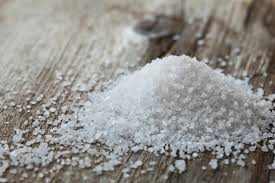
Salt
Sodium chloride
Solid
lemon
Citric acid
Image result for lemons
Solid
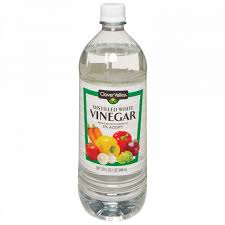
vinegar
Acetic Acid or ch3cooh
Image result for vinegar
Liquid
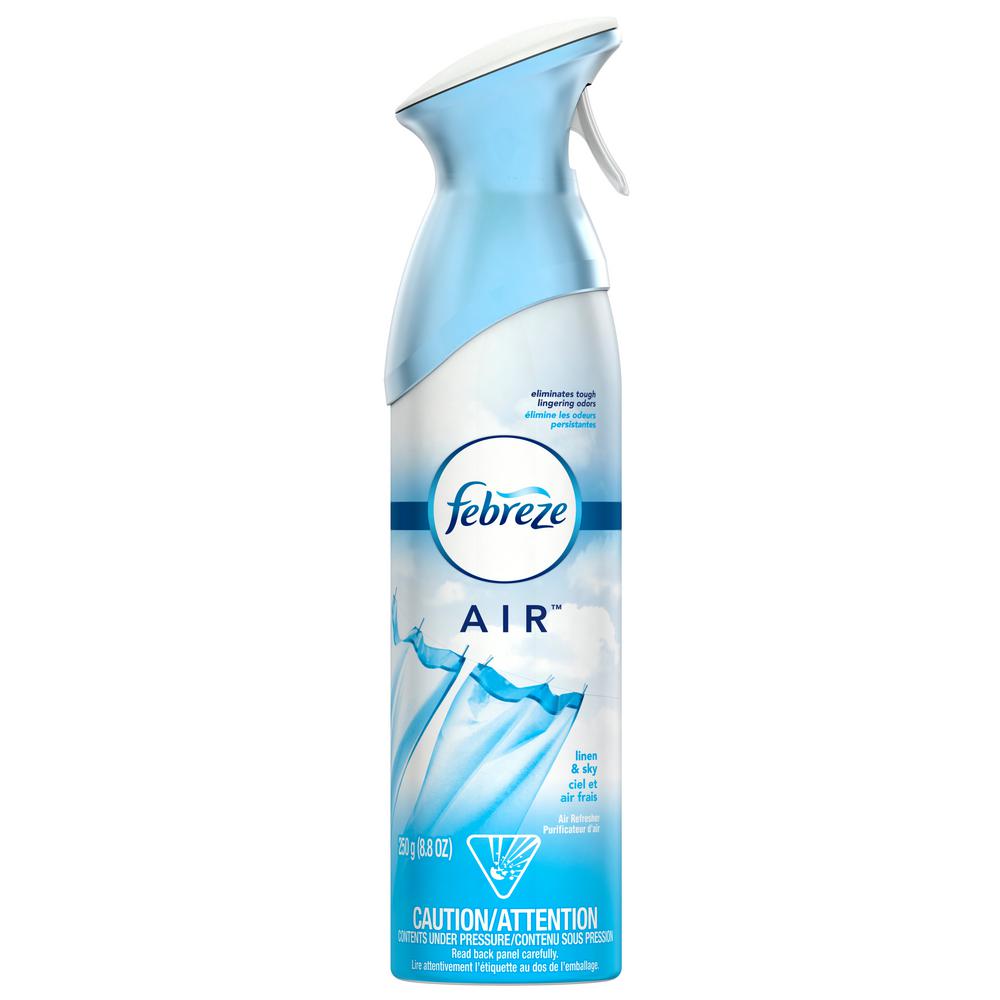
Air freshener
Formaldehyde Alpha-pinene
Image result for air freshener
Gas
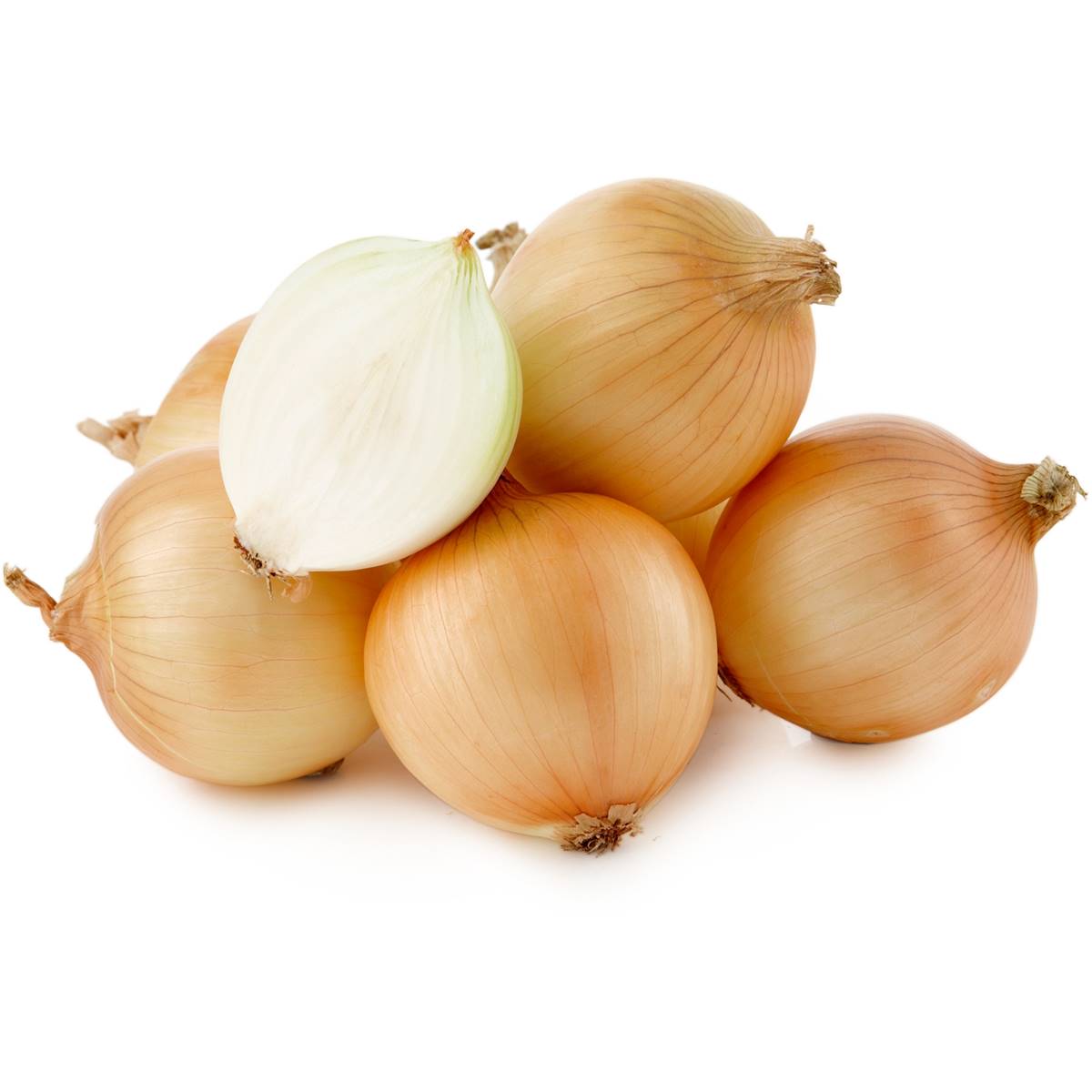
onion
Potassium, cysteine derivatives
Image result for onion
Gas
lemonade
Citric acid, C H O
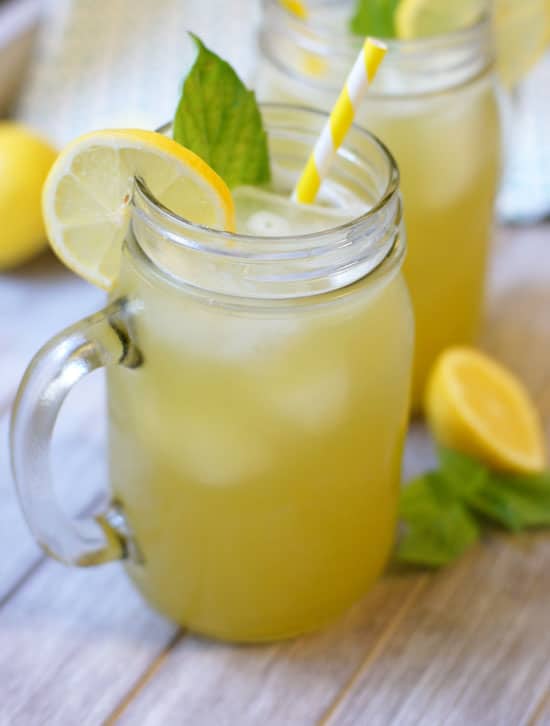
Image result for lemonade
Liquid
Bleach
Hydrogen peroxide, Sodium hypochlorite
Image result for bleach bottle
Liquid
Baking soda
NaHCO3 sodium bicarbonate
Image result for baking soda
Solid
Sugar
glucose and fructose, C12H22O11
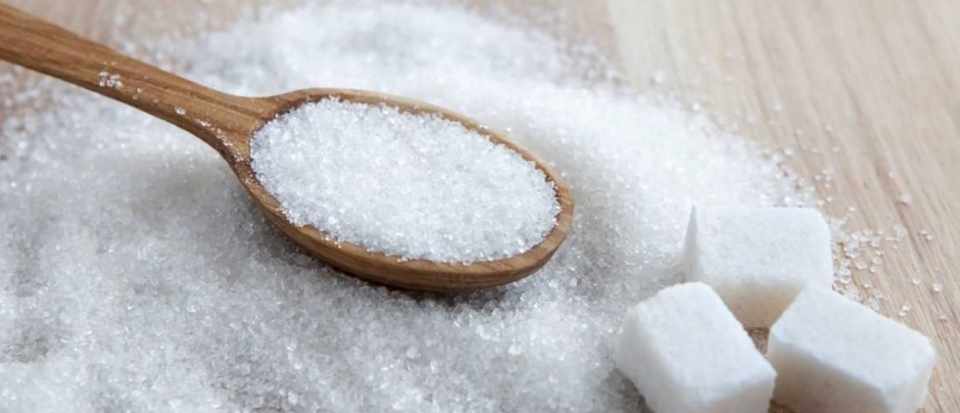
Image result for sugar
Solid
Soap
Sodium hydroxide and or potassium,
Image result for plain soap
Solid

In conclusion:

I learned a lot of new things like what everyday house hold objects have in them and if they are a solid/gas/or liquid, I feel like home chem is going to be a very fun project and I am aiming to get a science badge. Hope you enjoyed this.