Pages

Tuesday, May 7, 2019

Drama: Food Pyramid

Drama: Food Pyramids
For drama when we weren't doing freeze frames or something we were in the green room with Mrs Shehata learning about food pyramids, What to eat and what not to eat etc. This is the food pyramid below basically it goes foods to eat once a week and then foods to eat every day kind of like a food calendar .


As you can see I have the food you shouldn't eat every day at the top and the food you should eat daily at the bottom.😎😁

Monday, May 6, 2019

Chemistry: Filtration

AIM: TO MAKE A FILTRATION PLANT USING HOUSEHOLD MATERIALS.

Image result for filtration science experiment
Water Filtration Plant

What is the filtration?

Filtration is separating solids from liquids by adding a medium through which

only the liquid can pass.

Examples are:

  1. Kettle
  2. Air
  3. Pool
  4. Internet

Materials

1. Sand
2. Pebbels
3. Funnel
4. Filter paper
5. Cone
6. Container

Process - ( use verbs or doing words in each step )

Step 1

Cut the bottle with scissors so that you make a cone & filter,

Step 2

Put the top half upside down that creates a funnel inside the other half,

STEP 3

Fold the filtered paper into squares so it will make a funnel
when opened,

STEP 4

Get 1 cup of Sand & pour it into the funnel that you made with
the filtered paper,

STEP 5

Pour some Sand & Pebbles into the filter so they do not fall out
of the filter,

STEP 6

Pour the dirty water into the funnel slowly & if the water is dripping
out of the filter then you have done a good job,

Findings
We think that we did not fail or do well but we deffiently got the results we wanted,
The water filtered alright but it kind of failed because when we made the funnel we forgot a
few bits and some of the dirt off the pebbles fell into the bottom of the bottle and when the
clean water was filtering is dirted it. But other than that we would call it a succes. ✔

Minutes  1. There was a ton of water pouring/dripping through
the filter for about 1.5min, it wasn’t really pouring fast but
dripping fast as well as being clean,  
                      
2. It kept dripping about 3drops per 20 seconds for 2minutes straight,
the water still kept clean sortive?   
                
3. The water drops were getting the tiniest of dirt inside the water but
they still came through the filter a little bit clean, and just a tiny
bit slower,        
           
4. it wasn’t really dripping or started to slow down within 4minutes,
but we tried to carry it on so it would keep going so it did but
not so much it didn’t work it just carried on a little bit because we poured
a little bit because we weren't allowed,

5. It was about to stop halfway during 5mins but we tried
to make it keep going by shaking the bottle and surprisingly
it worked but then it stopped 20seconds later...

Drops per minute: 9 Drops per minute
Watercolour: Clear
Conclusion: What we have learned today was that we had to
make the water clean and Fresh so that we learned something
and to blog about our findings, Also we had to think hard and see
what would really happen to the water,
Would it be Clean? Or would it be Dirty?

Home chemistry : Funky Forensics

Aim: To learn about the makeup of different white powders.

Image result for white powder in piles

There are a number of different white powders in our everyday life. Some of these are harmful and others are not. Test the four white powders listed to see which one has been found at the airport.

You will be given a small amount of 4 white powders on your cardboard. On the black cardboard using a magnifying glass look at the powders.
Look at them under your magnifying glass and record what you see. 

These are the four powders we will be using. Upload a photo of each powder. 

1.  Cornflour
2.  Baking Soda
3.  Salt
4.  Sugar 

Before you add the iodine, vinegar or water you will need to divide each powder into 3.

Materials

1.  Pipette 
2.  A black piece of cardboard paper 
3.  White paper
4. Iodine


Steps

1. Fold the black cardboard paper lengths way and in half so it creases the cardboard.
2. Then draw across the crease lines to make 4 squares, Label them Baking soda, sugar, etc
3. Put 4  Chemicals on 4 folded squares and split them into 3.
4. 3 drops of Water/Iodine/Vinegar into a third of each chemical


Findings:

Words to use: Absorbed, spread, frothed, fizzed, melted, blob,


Sugar
Salt
Baking Soda
Cornflour
Appearance

A light whiteharder whitewhitesoft white
Texture

Fine crystalMore crystalVery soft, CrumblesA fine crumble
Smell

Doesn't really have a smell.Smells like the oceanKinda smells like dust Also smells like dust
Iodine
Darker orangeTurned darker, and sticky

Make it turn darker and thicker.Made it dark purple with a tiny bit of pink.
Water
Silky wetReally wet runny wetSlimy, wet almost oobleck
Vinegar
Smelled bad, and white wetwetfixed upIncapable rolled off

Conclusion
I learned that nothing is the same when you use different chemicals, For example, the water stayed the same whilst the iodine changed the colour and texture of the powder. Pretty cool I would have to say the cornflour changed a really cool colour when we added the iodine.

Thursday, May 2, 2019

Maths D.L.O

My Maths D.L.O

This term we have been doing daily maths on our site, basically you have to do your daily 0maths every day and get a friend to mark it. This is mine below I'm the questions are somewhat hard and really easy it is really good to get the brain working.

Here is my work it's pretty messy, I am focusing on multiplication.
This is the end if my D.L.O hopes you enjoyed if you have any questions comment below!


Tuesday, April 30, 2019

Aerodynamics chemistry work

FLIGHT

Aim: To learn about flight and aerodynamics. 

  • In your groups of 3 you will make a paper plane and measure its distance and behaviour.
  • In groups of 3 you will make a water rocket and record its distance and behaviour. 
Definition:
According to Google:
the study of the properties of moving air and 
the interaction between the air and solid bodies moving through it.

4 forces of flight:

  1.   Gravity
  2.  Drag   
  3.   Thrust
  4.   Lift

Paper Plane:

Material:

1. Paper
2.  Scissors

Steps:

1. Fold lengths way
2. Fold it again
3. Fold corners

Findings:

Plane Type
Distance
Behaviour
Normal
5m
straight line
Ailerons
3mCurves to the side
  but straight
Paper clip


5mstraight

Conclusion:


We found that the normal plane flew straight for 5 metres. Secondly, the Ailerons also directed straight but curved a little bit at the end as well and it flew 3 metres. Also with using the paper clip, the paper plane flew 5 metres and it flew straight. Aerodynamics is complex but it can be fun, The word I learnt more about was gravity for example when you walk you have gravity so you can jump around a bit. This project was definitely fun
and I learnt a lot about aerodynamics and the 4 forces of flight.


Monday, April 8, 2019

Home chemistry project 1

Aim: To separate colours by using the process of chromatography.

Materials: 
  1. Plastic cup 
  2. Water based felt pens.
  3. Filter paper
  4. Water

Steps:
  1. Come and collect your sheet of filter paper.
  2. Then we have to measure a line 1 cm from the bottom of the paper.
  3. Then make two different coloured dots on the line you drew and wait for the teacher to add a little bit of water.
  4. Then see what happens to the felt.

Conclusion:

We found out that the colours mixed together and slowly rose to the top of the paper. We also found out that the blue felt moved faster than the purple as you can see in the picture even though we put the felt in the water at the same time.

Friday, April 5, 2019

Home Chemistry Task

Home chemistry Task!

This term technically we are starting something called home chemistry for our science project. This was our first task.

Aim: To learn the names of 10 household chemicals, their elements, and reactions with other substances.


Equipment:


1. Soap
2. Lemon
3. Salt
4. Vinegar
5. Sugar
6. Air Freshener
7. Onion
8. Lemonade
9. Bleach
10. Baking Soda

Task 1: Put the chemicals in a chart with the titles: Name, Chemical ingredient(s), Image, Solid/Liquid/Gas.


Name
Chemical ingredient(s)
Image
Solid/Liquid/Gas
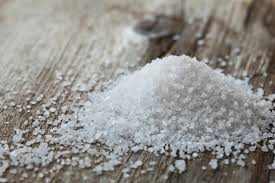
Salt
Sodium chloride
Solid
lemon
Citric acid
Image result for lemons
Solid
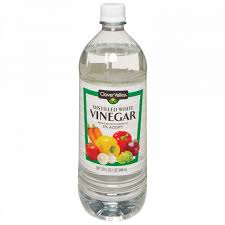
vinegar
Acetic Acid or ch3cooh
Image result for vinegar
Liquid
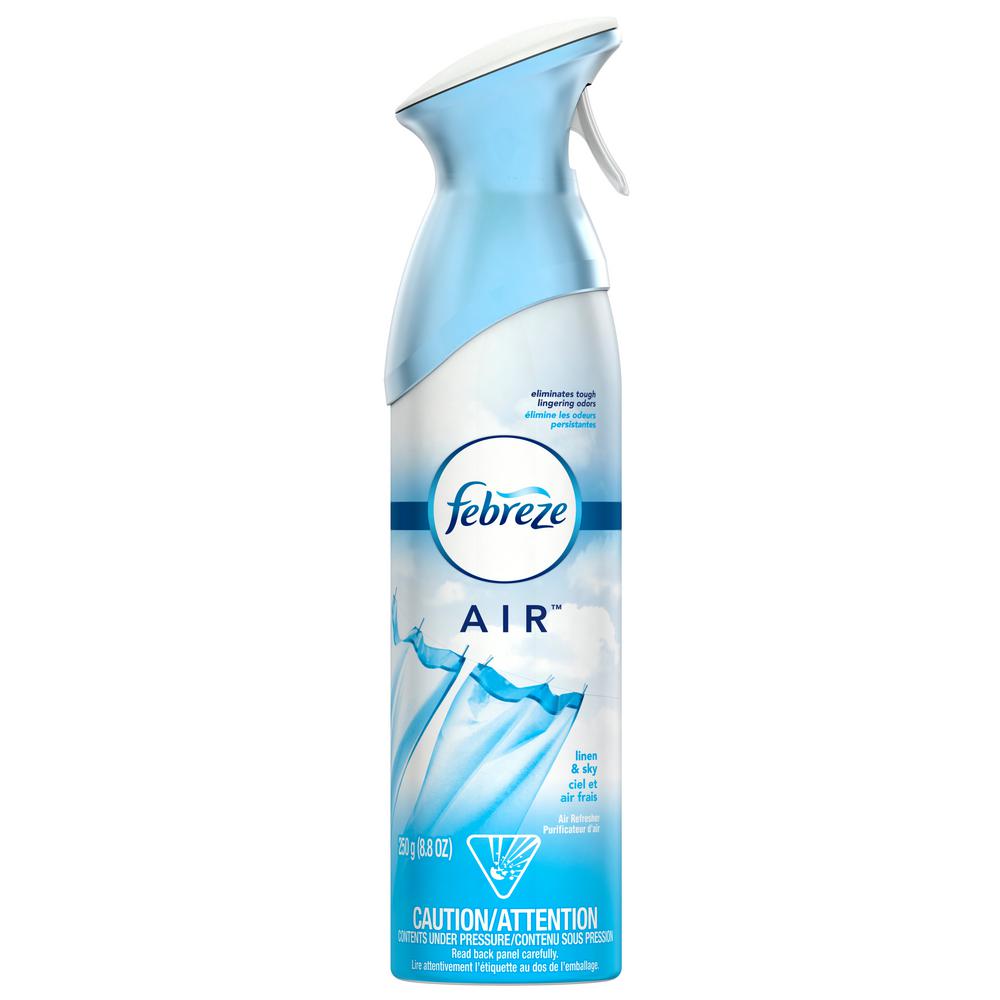
Air freshener
Formaldehyde Alpha-pinene
Image result for air freshener
Gas
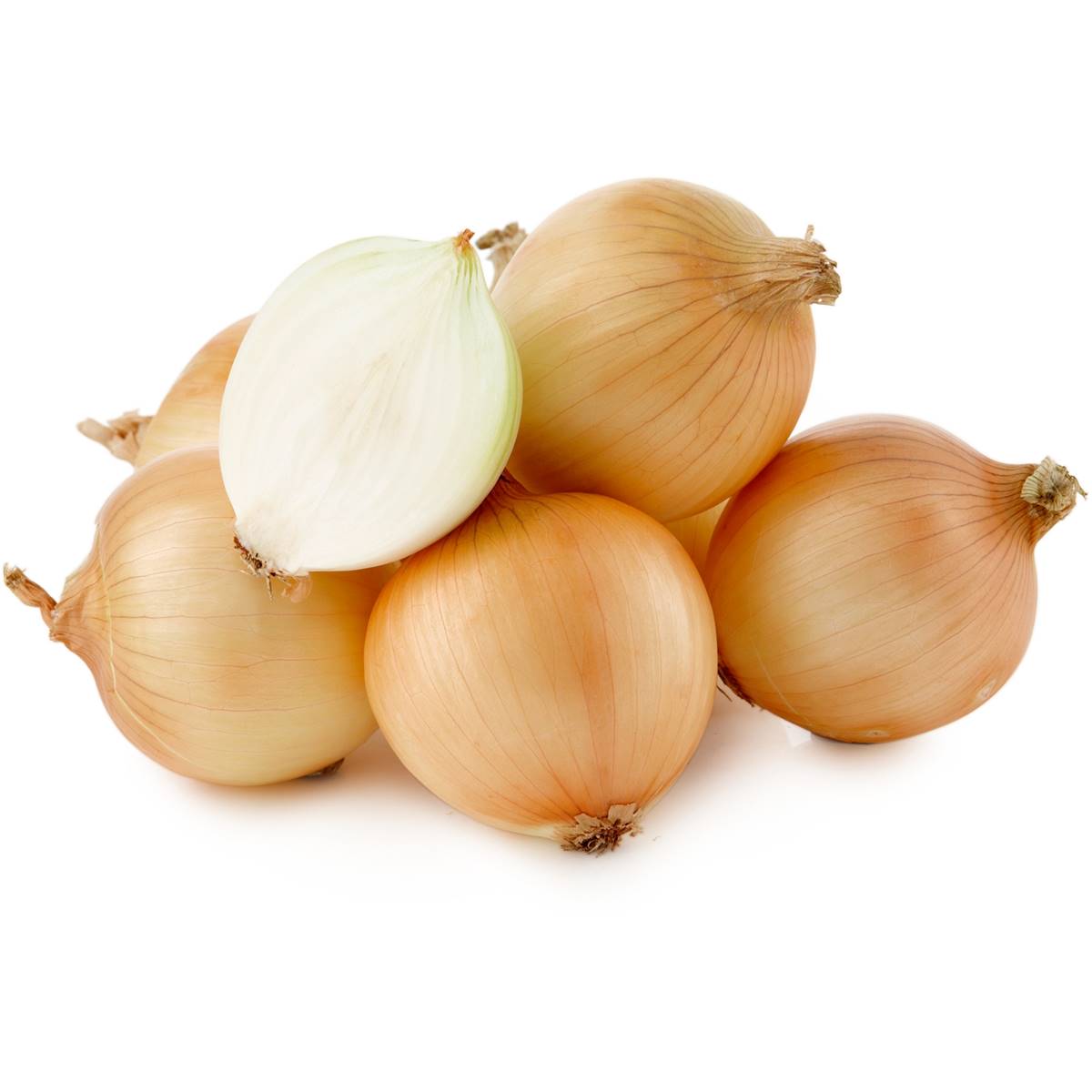
onion
Potassium, cysteine derivatives
Image result for onion
Gas
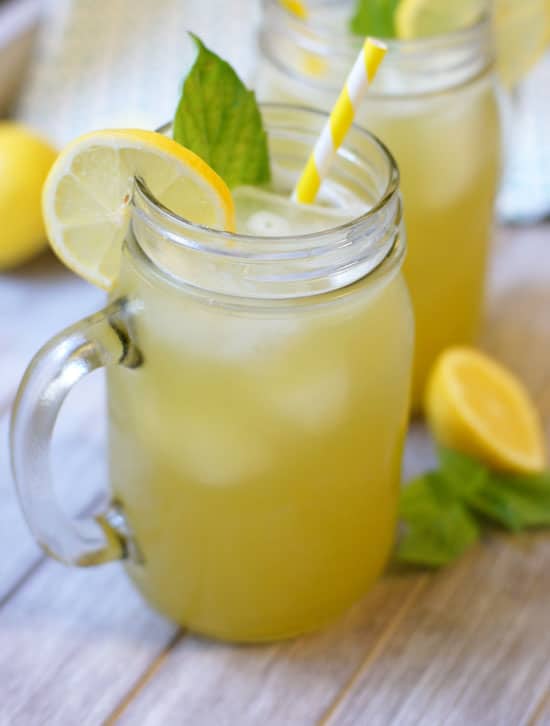
lemonade
Citric acid, C H O
Image result for lemonade
Liquid
Bleach
Hydrogen peroxide, Sodium hypochlorite
Image result for bleach bottle
Liquid
Baking soda
NaHCO3 sodium bicarbonate
Image result for baking soda
Solid
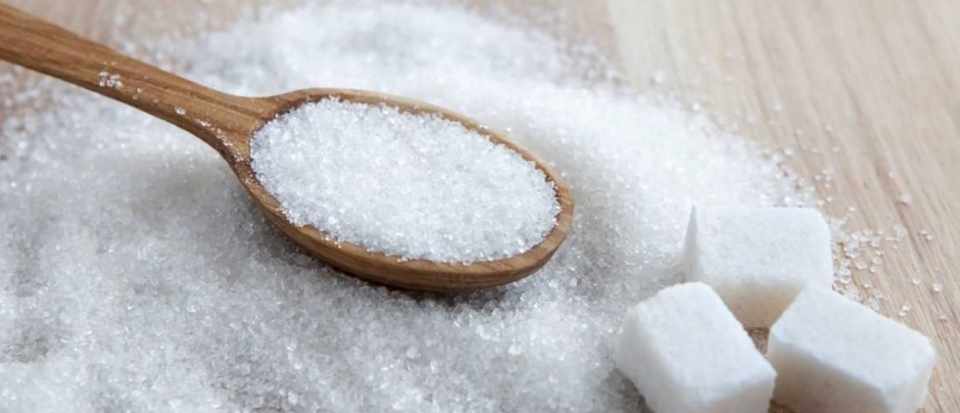
Sugar
glucose and fructose, C12H22O11
Image result for sugar
Solid
Soap
Sodium hydroxide and or potassium,
Image result for plain soap
Solid

In conclusion:

I learned a lot of new things like what everyday house hold objects have in them and if they are a solid/gas/or liquid, I feel like home chem is going to be a very fun project and I am aiming to get a science badge. Hope you enjoyed this.